
33073. Donaldson, Emily, Margie Coffin Brown and Gretchen Hilyard. Cultural Landscape Report for Dune Shacks of Peaked Hill Bars Historic District, Cape Cod National Seashore, Provincetown and Truro, Massachusetts. Olmsted Center for Landscape Preservation. National Park Service. Boston. 2012
Welcome to Kenrick A. Claflin & Son
Featured on our web site and in our monthly web catalogues are new and out-of-print books, documents, post cards, photographs, maps and charts, engravings, lithographs, uniforms and insignia, tools, lamps, lens apparatus, equipment and apparatus and much more relating to these heroic services.
We now issue most of our catalogues on line rather than by mail. This allows us to issue more catalogues and feature more items, with better photos and descriptions. Let us know your email address and we will email you monthly as our catalogues are posted.
Type in your search word. After hitting Enter you will automatically be brought back to this page. Scroll down to this spot to see the results of search. Pages containing your search word will be listed. You will be allowed to click on the pages found. When on each page, Windows Explorer will allow you to use Ctrl + F to bring up a search box for that page. Type in your search word again and hit “Enter”. You will be taken to that item.
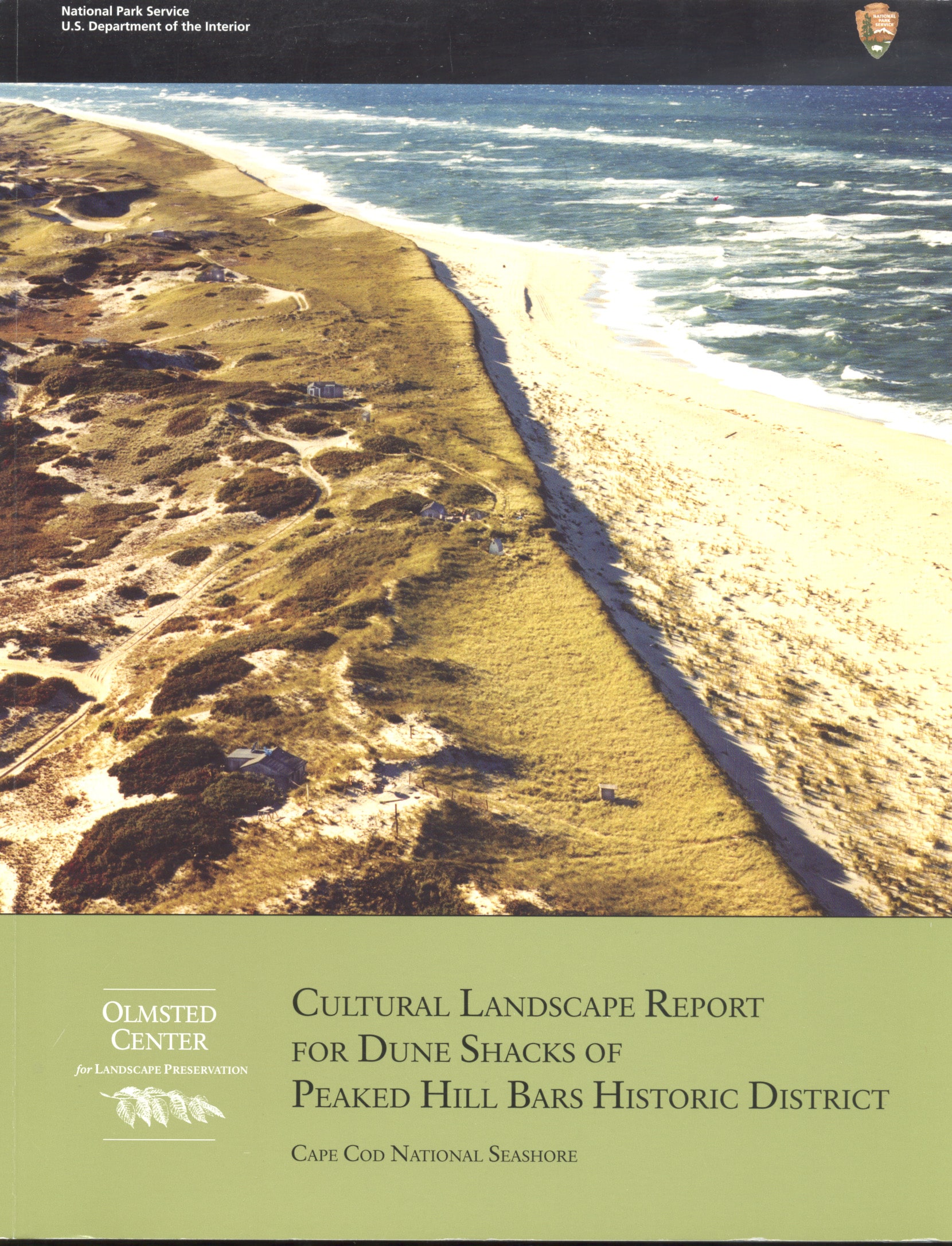
33073. Donaldson, Emily, Margie Coffin Brown and Gretchen Hilyard. Cultural Landscape Report for Dune Shacks of Peaked Hill Bars Historic District, Cape Cod National Seashore, Provincetown and Truro, Massachusetts. Olmsted Center for Landscape Preservation. National Park Service. Boston. 2012
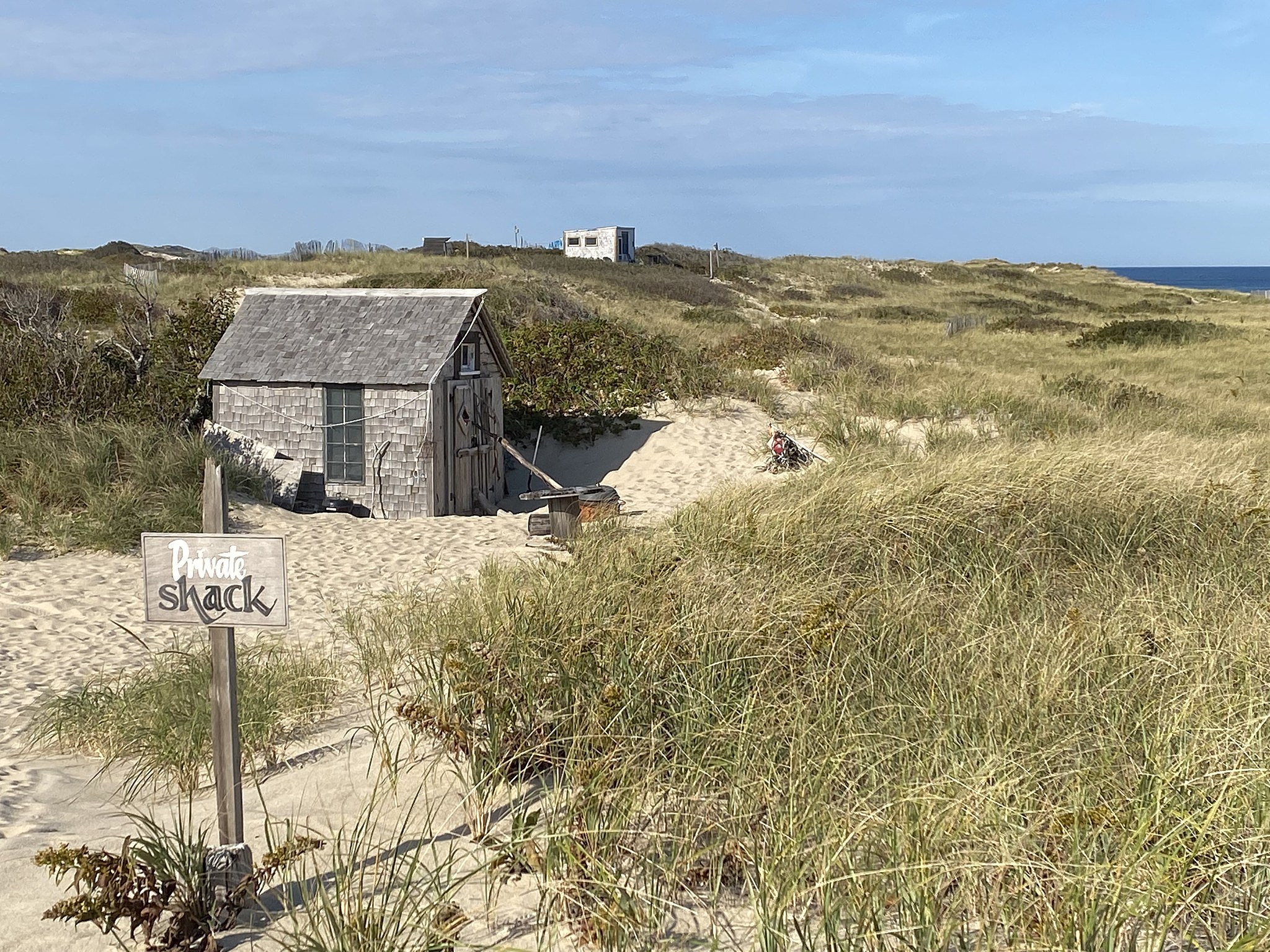
- Donaldson, Emily, Margie Coffin Brown and Gretchen Hilyard. Cultural Landscape Report for Dune Shacks of Peaked Hill Bars Historic District, Cape Cod National Seashore, Provincetown and Truro, Massachusetts. Olmsted Center for Landscape Preservation. National Park Service. Boston. 2012. 368p. Soft wraps. The mission of the National Park Service (NPS) is to preserve “unimpaired the natural and cultural resources and values of the national park system for the enjoyment, education, and inspiration of this and future generations” (NPS 2009). Thus, it is an organization dedicated to preserving and using, two values which constantly require balancing in the operation and development of our national parks. A case in point are the dune shacks of the Peaked Hill Bars. The dunes of Provincetown are a stark, isolated expanse of sand stretching up the outer shore of the tip of Cape Cod, in Massachusetts. Stepping into this landscape is like entering another world—a world of sand, sun, sky and sea. Here only a few scrawny pitch pines cling to the occasional sheltered hollow. Over the crest of the last dune, the Atlantic Ocean lies flat in a bold, blue contrast to the rolling mounds of sand. Close by, the nesting sites of terns and the endangered piping plover can be found. The wild, wind-swept coastal beauty of this area is the heart of a national treasure whose preservation is the primary goal of the Cape Cod National Seashore (CCNS). Roughly 1,500 acres of dune landscape located east of Provincetown are today known as the Peaked Hill Bars Historic District. Owned, managed, and maintained by the NPS since the creation of CCNS in 1960, the district also includes a total of nineteen rugged, wind-worn structures, or dune shacks. Trudging heavily through the sloping dunes from Provincetown, it can be a surprise to come upon a wind-battered shack. The actual distance between these outposts and the bustle of Provincetown is only a matter of one or two miles; yet the looming size and emptiness of the dunes makes the shacks seem like tiny gems hidden in a remote desert. When, in 1918, the Cape Cod Life Savers were replaced by the United States Coast Guard, their stations went out of serv[1]ice and the old structures were either abandoned or sold (Donaldson, Hilyard, and Brown, forthcoming). From then on, the dune shacks became a regular retreat for a select few. With the social and artistic awakening of Provincetown during World War I and afterwards, many visitors were painters, actors, and writers driven by the spirit of creativity. When the old Life Saving Station and most of its associated buildings were swept into the sea by a severe storm in 1931, a new generation of shacks sprang up to replace them. Most of today’s shacks belong to this group, and were built in the 1930s and 1940s. This important study traces the cultural and physical history of this area and the dune shacks that remain, of the people that have used them over the years and their future. Most interesting and extremely difficult to find. (M). $85.